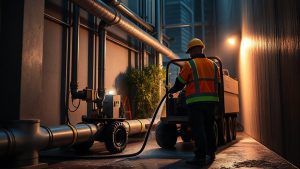
What Changed With Desentupidora em Lajeado São Paulo SP Services This Year?
If you live or work in Lajeado, São Paulo, you have probably noticed that emergency plumbing help is easier to book than it was a few years ago. The biggest shift is that 24-hour dispatch and faster response windows have become standard for reputable providers, not a premium add-on. That matters because a blocked sewer line at night can flood a shop or a condo garage before morning. This article explains the background behind that change, then gives you a numbered plan for choosing and using a desentupidora em Lajeado São Paulo SP without wasting money or time.
1. Understand Why Local Coverage Changed the Game
A decade ago, most drain-cleaning companies in São Paulo operated from central yards and treated outlying neighborhoods like Lajeado as a secondary route. A team might arrive hours later, after a job in another district. Today, the better operators keep trucks and crews positioned closer to high-demand areas, which shortens the drive and lets them handle more calls per shift.
That change is partly practical: hydro-jetting equipment and vacuum trucks are heavy and slow, so long trips cost fuel and delay service. It is also partly commercial, because condo managers and shop owners now compare response times the same way they compare prices. When you search for a desentupidora Lajeado, you are really looking for a crew that already knows the streets, the building types, and the common pipe problems in the area.
What this means for you in practice
Ask two questions before booking: where is the nearest crew based, and what is the realistic arrival window at your address? A company that answers both clearly is usually better prepared than one that only quotes a low price. Local knowledge also helps with older buildings, where the sewer layout may not match newer construction standards.
2. Know the Difference Between Clearing a Clog and Fixing a Line
Many people call an emergency service expecting a simple unclog, then discover the real problem is a damaged pipe, root intrusion, or a collapsed section. The background here is that Lajeado mixes older residential streets with newer commercial buildings, so the same symptom can have different causes depending on the property.
A basic unclogging job uses a manual snake or an electric auger to break through soft blockages such as grease, soap residue, or paper. Hydro-jetting goes further: it uses high-pressure water to scour the pipe walls and remove hardened buildup. If the line is cracked or offset, neither method fixes it permanently, and a camera inspection is the next step.
Signs you need more than a quick unclog
- Water backs up in multiple drains at the same time.
- You hear gurgling from floor drains after using a sink or washing machine.
- The same drain clogs again within a few weeks.
- There is a sewage smell in areas that were previously dry.
If you see these signs, tell the dispatcher before the crew arrives. A desentupidora Lajeado São Paulo SP team can bring the right equipment the first time instead of making two trips.
3. Compare Service Types Before You Call
Not every job needs the same crew or the same truck. Knowing the categories helps you ask better questions and avoid paying for equipment you do not need. The table below is a simple comparison of the main options you will encounter in Lajeado.
| Service | Best for | What to ask |
|---|---|---|
| Manual or electric unclogging | Single slow drain, soft blockage | Is the price fixed or hourly? |
| Hydro-jetting | Grease buildup, recurring clogs, commercial kitchens | Do you inspect with a camera afterward? |
| Septic tank cleaning | Properties not connected to the main sewer | Where is the waste taken and is it documented? |
| Emergency repair | Broken pipe, collapse, sewage backup | What is the after-hours call-out fee? |
Camera inspection is the dividing line between guessing and knowing. If a provider cannot explain what they saw inside the pipe, you may be paying for a temporary fix. Ask for a short description or a photo of the blockage before work starts.
4. Prepare Your Property So the Visit Goes Smoothly
The background to most failed service calls is not bad equipment; it is access. A crew cannot clean a drain they cannot reach, and moving furniture or opening a sealed cleanout takes time that adds to your bill. A few minutes of preparation can save an hour of labor.
- Clear the area around floor drains, cleanouts, and the septic tank lid.
- Note which drains are slow and when the problem started.
- Tell the dispatcher about any recent renovations or chemical drain products used.
- Confirm who will be on site to unlock gates or garage doors.
- Ask for the price range before the crew begins, not after.
For condos, the síndico or building manager should be the single point of contact. That avoids conflicting instructions and makes it easier to document the service for the building records. Keep the receipt and any camera footage; they are useful if the same line fails again.
5. Use the Closing Checklist to Avoid Costly Mistakes
Before you confirm any booking, run through a short checklist. It takes two minutes and protects you from the most common problems: unclear pricing, missing documentation, and repeat visits for the same clog.
- Written price estimate before work begins, including after-hours fees.
- Confirmation that the company carries its own equipment and does not subcontract.
- A clear explanation of the cause, not just the fix.
- Receipt or service note with the date, address, and work performed.
- A follow-up window in case the problem returns.
Finally, think about prevention. Grease traps in commercial kitchens, periodic hydro-jetting in older buildings, and avoiding flushable wipes all reduce the chance of another emergency. The recent improvements in local coverage are real, but the cheapest call is still the one you never have to make. Use the checklist, ask direct questions, and choose a provider that explains its work in plain language.